Blog
Engineering & Machining Guide

Title: CNC Machining vs. Injection Molding for Engineering Plastics: How to Choose for Your Project
Selecting the right manufacturing process for precision plastic parts—such as POM (Delrin), Nylon, and UHMW-PE—is critical to balancing unit cost, lead time, and mechanical performance. Engineering procurement teams often balance the decision between CNC Machining and Custom Injection Molding.
1. Production Volume & Tooling Costs
- CNC Machining: Requires zero mold investment. Ideal for low-to-medium volume orders (1 to 1,000 pieces), rapid prototyping, and custom replacement parts.
- Injection Molding: Involves upfront steel/aluminum mold creation costs. Cost-effective for mass production (5,000+ pieces) where unit cost must be minimized.
2. Material Constraints
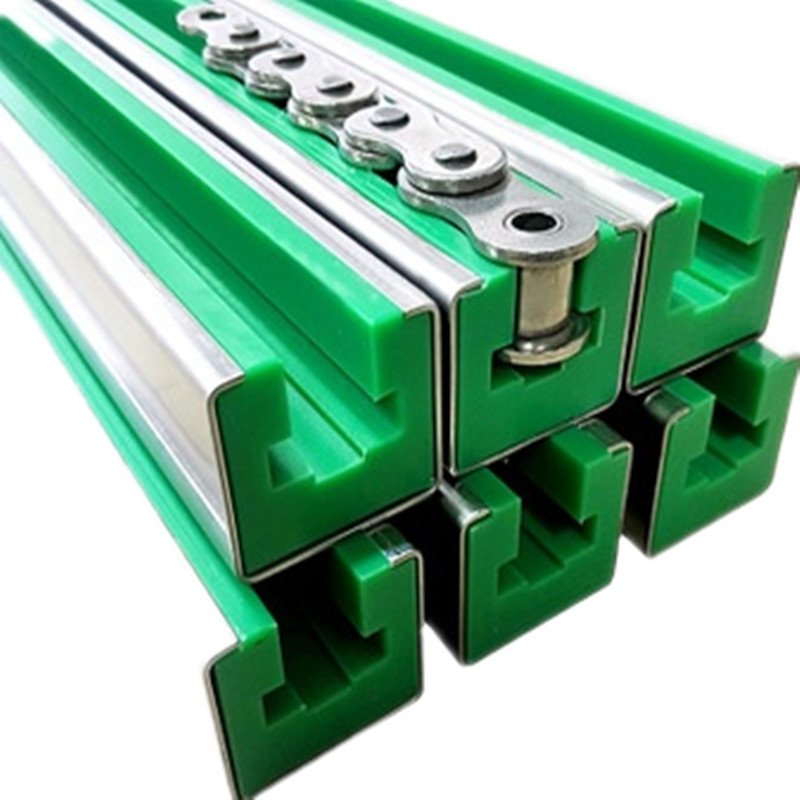
- UHMW-PE Processing: Due to its extremely high melt viscosity, standard UHMW-PE cannot be injection molded easily. Extrusion and CNC machining remain the premier methods for custom profiles and guides.
- POM / Delrin & Nylon: Both materials machine exceptionally well with tight tolerances and can also be injection molded for complex 3D geometries.
3. Dimensional Tolerances
For ultra-precise industrial gears, bushings, and tight-clearance sliding blocks, CNC machining delivers superior dimensional stability without sink marks or warpage risks inherent to thick-molded parts.